
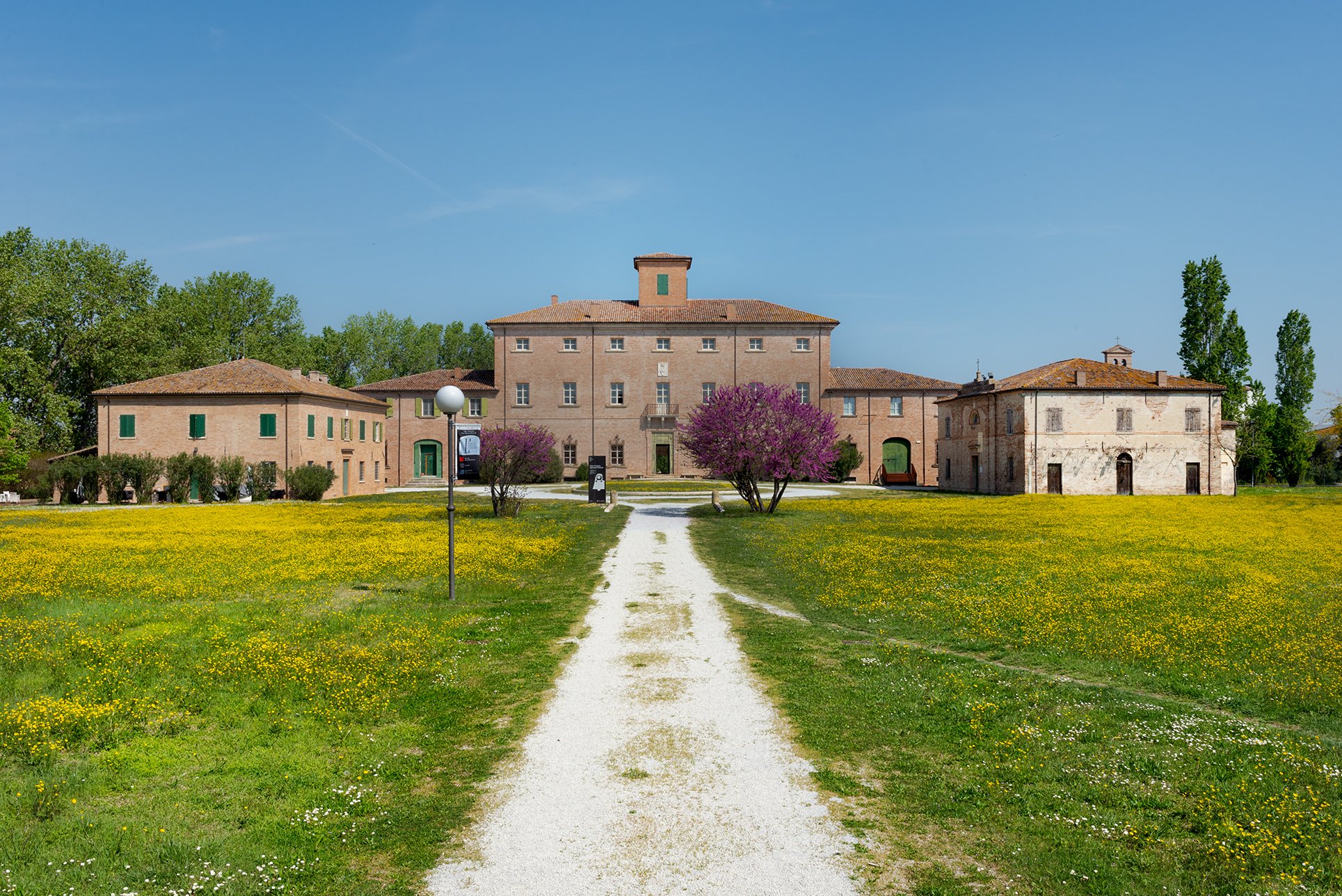
Dialogare con Giovanni Pascoli. A casa sua.
PascoliAI è un’esperienza didattica mediata, che abbiamo progettato per Museo Casa Pascoli.
Gli studenti dialogano liberamente con una chat AI, analizzano fonti e costruiscono conoscenza insieme agli educatori.
Il problema
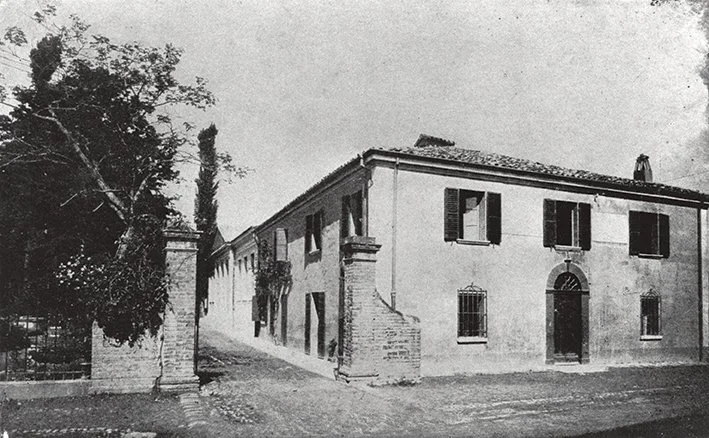
A scuola, Giovanni Pascoli a volte è presentato come un’icona semplificata: un innovatore del linguaggio, ma prigioniero di affetti familiari soffocanti, e a fine vita ripiegato su posizioni politiche poco lungimiranti.
Ma nei luoghi pascoliani, e negli archivi, emerge un autore più complesso e vitale: amori multipli e tormentati, passioni politiche travolgenti, traumi e contraddizioni. Serve tempo per leggere e interpretare bene le fonti.
E le fonti sono al Centro di Documentazione Pascoliano, nella vera casa del poeta, a San Mauro Pascoli. Stare lì, circondati dalle persone che lo studiano da una vita, che sanno tutto su di lui ma ancora si entusiasmano per un nuovo progetto - beh, è entusiasmante.
E se per “parlare con Pascoli” fosse necessario trovarsi fisicamente in Romagna? Potrebbe sembrare un’idea poco global, ma aveva senso per l’istituzione, per gli operatori, per docenti e studenti: ci è piaciuta subito.
La soluzione
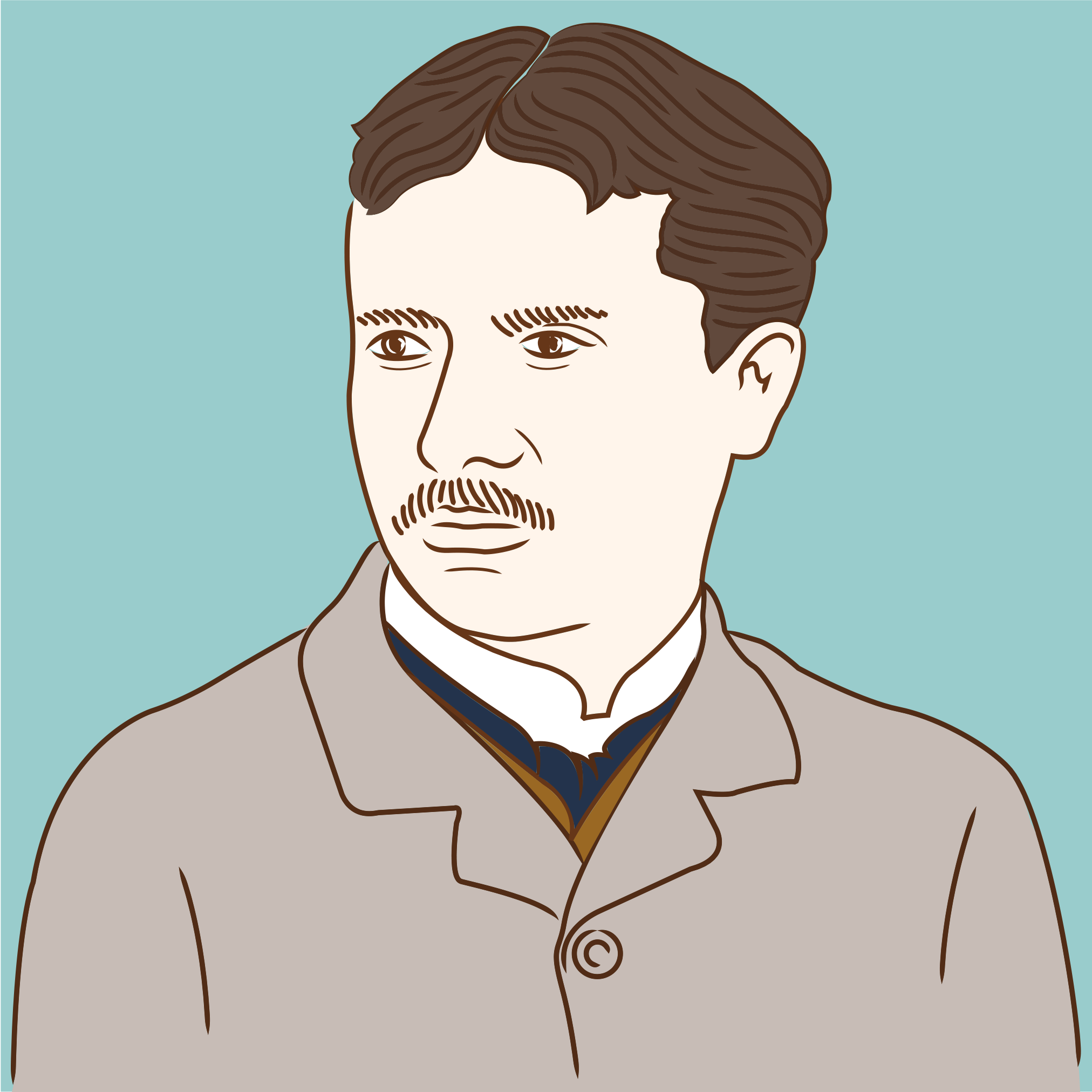
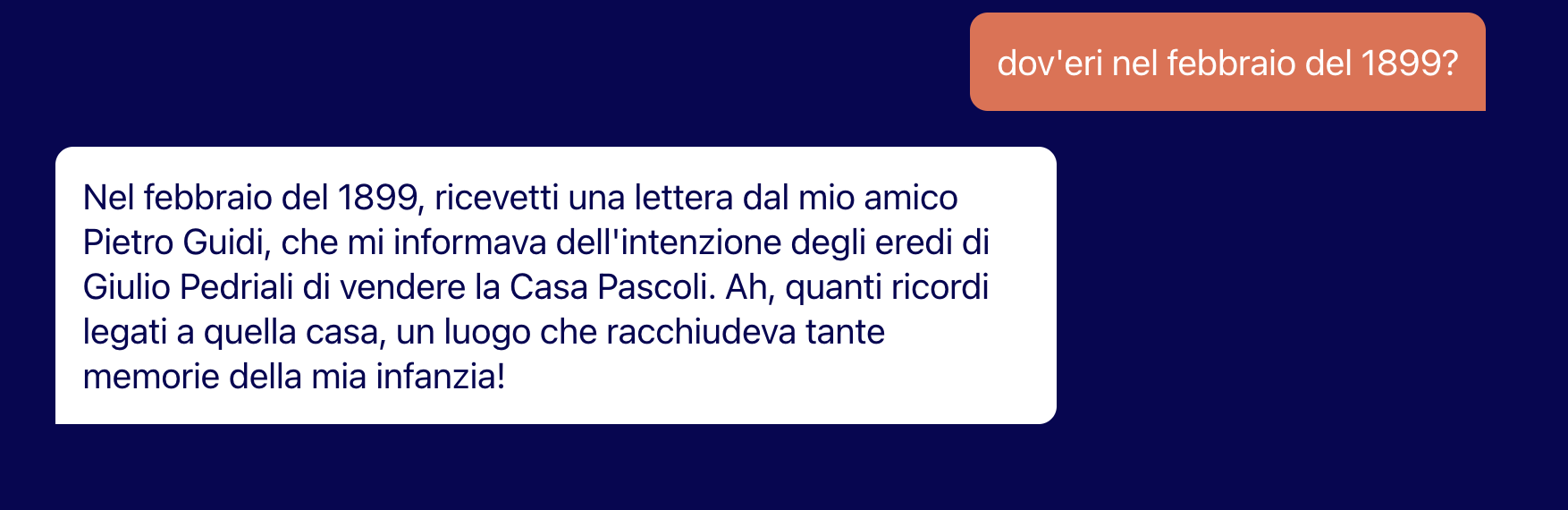
PascoliAI è un dispositivo di mediazione, accessibile come AI conversazionale, solo a Museo Casa Pascoli.
È stato allenato con migliaia di documenti d’archivio - tra cui la corrispondenza del poeta col fratello Raffaele, da poco desecretata - e fonti storico-critiche di altissimo livello.
La chat non cerca mai informazioni sul web, e l’avatar si attiene a istruzioni rigorose ed eleganti; meno rumore, più coinvolgimento sensato.
Perché PascoliAI è diverso
La base di conoscenza viene dall’istituzione più titolata a parlarne
PascoliAI si fonda su materiali curati dal Museo e dal suo ecosistema di ricerca: documenti e studi che aggiornano e in alcuni casi correggono la conoscenza corrente.Valorizza un luogo unico
PascoliAI lavora sul valore più raro: la relazione tra fonte, luogo e interpretazione.Gestione sistemica degli errori
Come tutte le chat AI, anche questa produce errori. Invece di far finta di niente, abbiamo costruito un ecosistema che li inquadra. L’accesso è mediato da operatori. Gli errori sono una fonte di informazioni e ragionamento critico tra esperti, studenti e visitatori comuni.
Test, ricerca, altri test
Per un anno abbiamo testato con utenti di ogni tipo, sul posto e a distanza. Del progetto fa parte perfino una tesi di laurea magistrale, scritta da Alice Boschetti nel corso di Beni Archeologici, Artistici e del Paesaggio dell’Università di Bologna.
Laboratori didattici
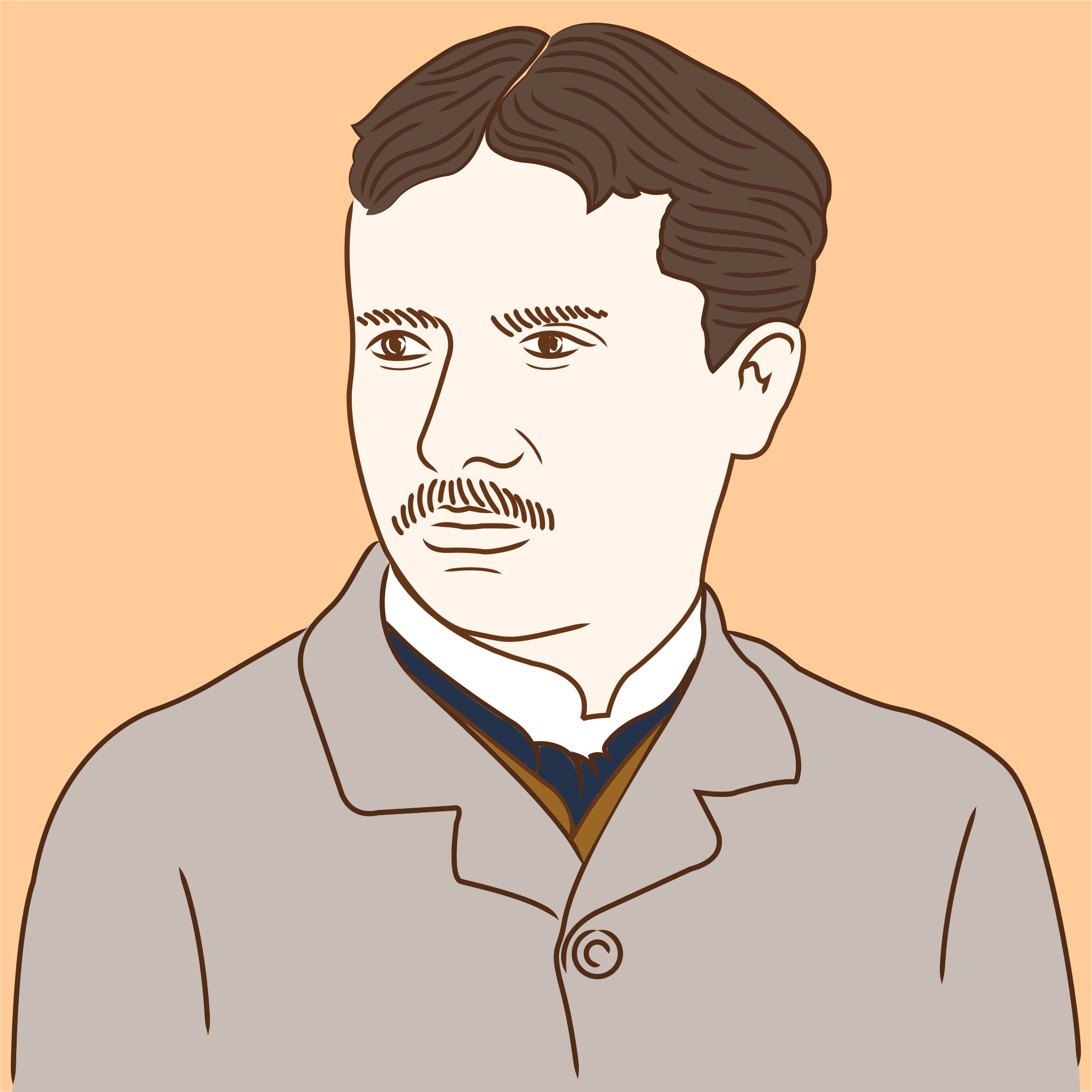
PascoliAI - Invi(t)ato speciale
Dal dialogo con il poeta alla redazione giornalistica.
Dopo le domande a PascoliAI, la classe lavora con le fonti e costruisce un pezzo fino alla prima pagina.
Insieme agli esperti del Museo, abbiamo ideato formati di laboratori che rendono l’offerta realmente integrata.
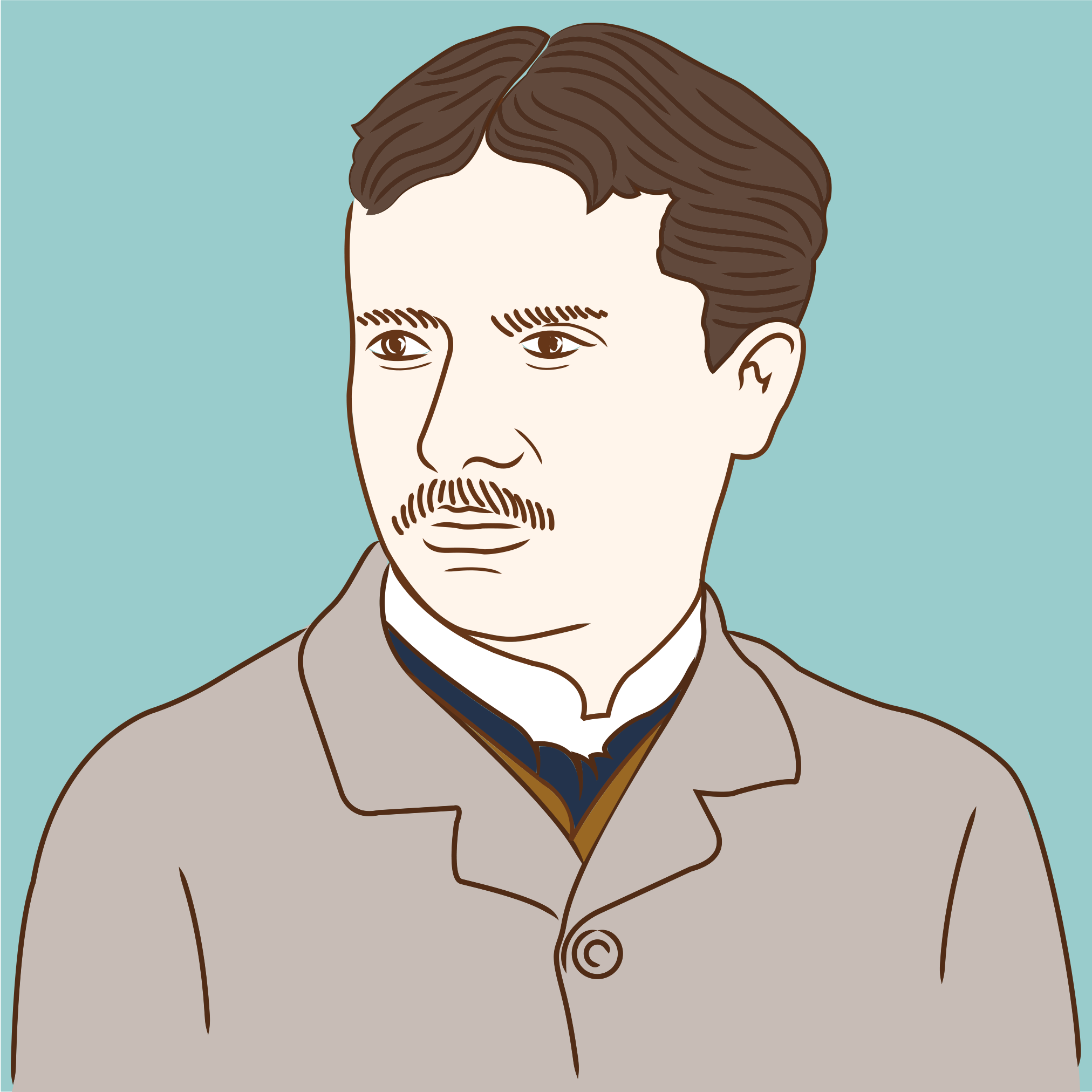
Cold Case - Il delitto di Ruggero Pascoli
Un’indagine tra storia, poesia e mistero.
Gli studenti riaprono il caso dell’omicidio di Ruggero Pascoli (1867), e ricostruiscono una narrazione possibile.
Ogni partecipante crea una “prova” simbolica (lettera, oggetto, disegno, documento investigativo).
Il prossimo?
Lavorare in questo modo rende i progetti modulari, replicabili, perfetti per il passaparola e la generazione organica di contenuti da parte di utenti con “skin in the game”.
Grafi
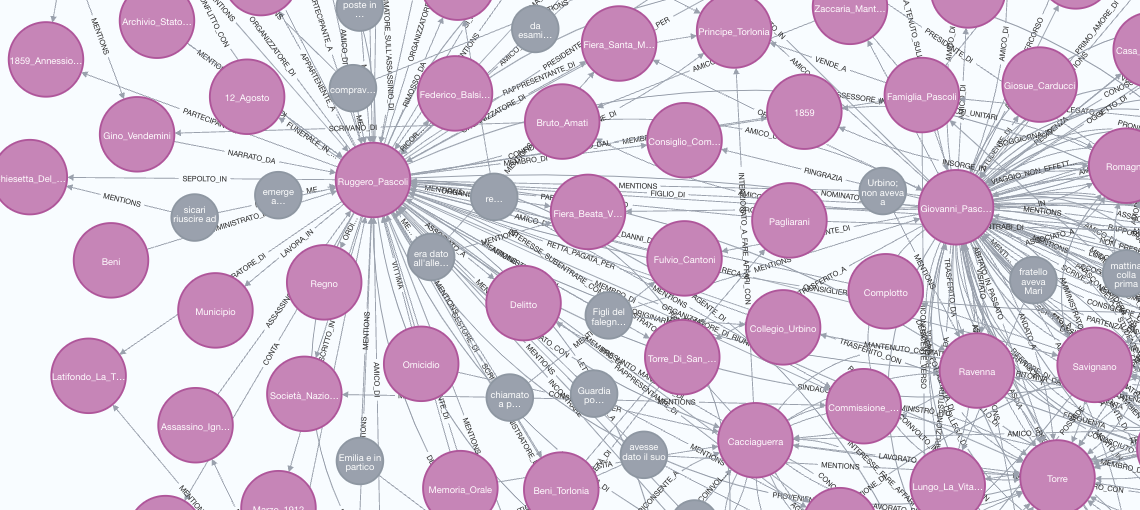
PascoliAI lavora rendendo interrogabili le relazioni che si trovano nei documenti d’archivio. È un lavoro certosino, eroico. Ma del resto già gli archivi lo sono.
“Noi vogliamo fare una poesia non di parole ma di opere, poesia collettiva che torna non a gloria d'uno ma a gioia di tutti.”
— Giovanni Pascoli